
Phase 3: The Elastic Base – The Functional Core of an In-Situ Installed Athletics Track
8. June 2026
Elastic bases are not only part of certain athletics track systems, but are also present in different compositions, densities and thicknesses across many other sports and recreational surfaces, including multi-use courts for football, handball, volleyball and basketball, safety flooring for playgrounds, shockpads for artificial turf systems, as well as numerous additional applications.
In this article, however, we will focus on a typical elastic base for an in-situ installed sandwich athletics track system. The installation of the elastic base is undoubtedly one of the most critical stages in the construction of an in-situ sandwich athletics track. This layer not only acts as the direct substrate for the wearing surface, but is primarily responsible for impact absorption, system elasticity and long-term mechanical stability.
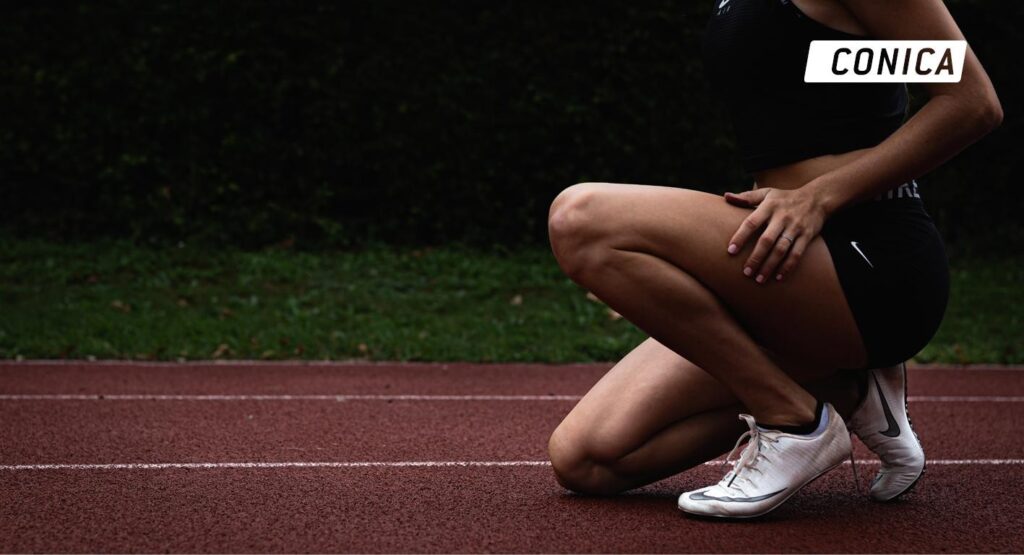
Most professional athletes compete on surfaces designed to maximize speed and athletic performance. These are typically harder surfaces with slightly lower shock absorption and a high energy return, such as CONICA full PU systems like MX+, M or Vmax tracks, which have become favourites among elite athletes. However, these competition conditions are not always ideal for long and intense daily training sessions, as they may overload muscle groups, ligaments and joints. For this reason, most athletes, including elite performers, carry out their training routines on surfaces with higher shock absorption and reduced hardness, such as sandwich athletics track systems. As mentioned, the elastic base represents the heart of the system and is mainly responsible for athlete comfort.
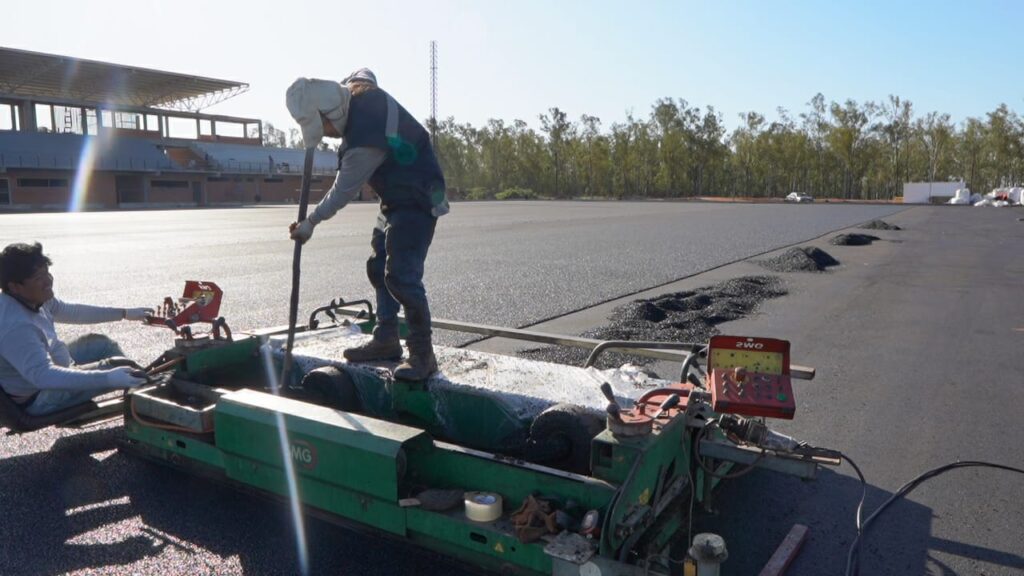
From the perspective of an internationally experienced manufacturer such as CONICA, whose systems are certified by World Athletics, the elastic base should therefore be understood as a high-performance technical layer, rather than simply a mixture of rubber granules and binder. Let us analyse this elastic layer in detail.
Technical Function of the Elastic Base
The purpose of this layer is to provide:
- Controlled and homogeneous shock absorption
- Uniform distribution of dynamic loads
- Dimensional stability under intensive use and temperature variations
- Perfect adhesion to the asphalt subbase thanks to the primer previously applied, as described in Phase 2
- A seamless, joint-free base compatible with the behavior of athletics spikes and capable of fitting the entire track surface like a glove, providing system integrity
In in-situ installed systems, these properties are achieved through the precise mixing of a high-quality polyurethane binder with recycled SBR rubber granules, applied and compacted using specialised paving equipment. Let us now analyse these two components in greater depth.
SBR Granule Quality: A Critical Factor
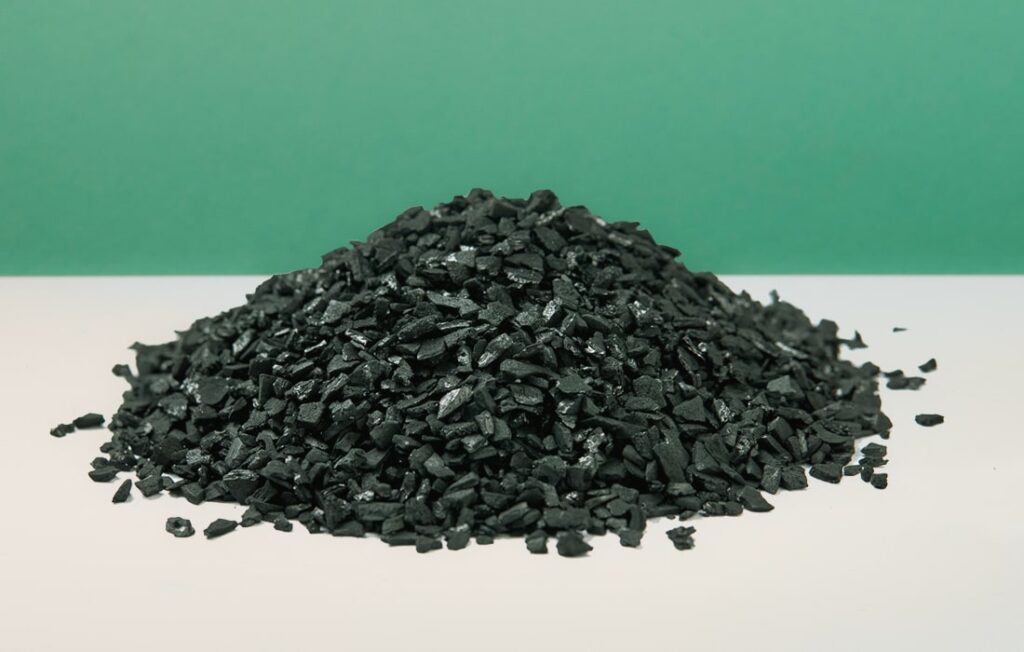
Not all recycled SBR granules are equal. For the elastic base to perform effectively over the long term, the granules must meet the following criteria:
- Clean and free from contaminants. SBR consists of recycled rubber granules obtained from end-of-life tyres. Larger tyres generate higher volumes of granulate; however, tyres also contain metallic and textile components. Therefore, the recycling process must ensure that only SBR rubber granules, and no residual contaminants, are present in the final product used in the elastic base. For example, excessive SBR dust can increase binder consumption by up to 30%. This not only alters the elasticity and hardness of the base but also increases installation costs and complicates the binding process.
- Controlled and consistent granulometry. Each SBR granulometry serves a specific purpose. Safety surfaces such as playground flooring typically use coarser granules to increase impact attenuation, while finer granules are commonly used as infill in artificial turf systems or compact indoor subbases.For sandwich athletics track elastic layers, the typical SBR granulometry ranges between 1 – 4 mm.
- Free-flowing and dry material. Granules must be loose and, above all, dry, to prevent undesired reactions with the binder. Moist SBR can foam upon contact with polyurethane binder, resulting in loss of mechanical performance and improper chemical bonding, which affects curing and final system hardness.
- Mechanical properties compatible with certified systems. The use of SBR granules alone does not guarantee performance. Key parameters such as bulk density (ratio between material mass and total occupied volume) and elongation at break must also be controlled.
Low-quality or poorly classified granules may lead to heterogeneous layers with areas that are either too rigid or too soft, directly affecting sports performance and long-term durability.
Polyurethane Binder and the Importance of Correct Dosage
The polyurethane binder is the element responsible for cohesion within the elastic base. Its quality, formulation and, above all, its correct dosage are decisive factors. Reducing binder content by cutting costs is one of the most serious mistakes that can be made at this stage.
Insufficient binder dosage results in:
- Loss of internal cohesion
- Reduced elastic properties
- Accelerated ageing
- Risk of cracking and premature degradation
However, excessive binder content can also negatively affect performance. Although cohesion increases, hardness also rises, potentially producing a base that is harder than permitted under sports performance standards and regulatory requirements.Conversely, a high-quality binder applied in the manufacturer-prescribed ratio ensures a stable, durable elastic base fully compatible with World Athletics requirements.
As previously mentioned regarding primers, binders are a decisive factor when selecting athletics track systems designed to perform for many years under optimal conditions. While CONICA offers up to 16 different primers depending on application requirements, the binder range is even broader, with as many as 23 different binder formulations available.Binder selection depends on installation method, application window, environmental conditions such as humidity and temperature, and curing requirements. For this reason, “generic” binders are not suitable for specialised installations such as athletics tracks. While they may occasionally appear to perform adequately, long-term performance is rarely guaranteed. As the saying goes, even a stopped clock shows the correct time twice a day – but it is still not functioning properly.
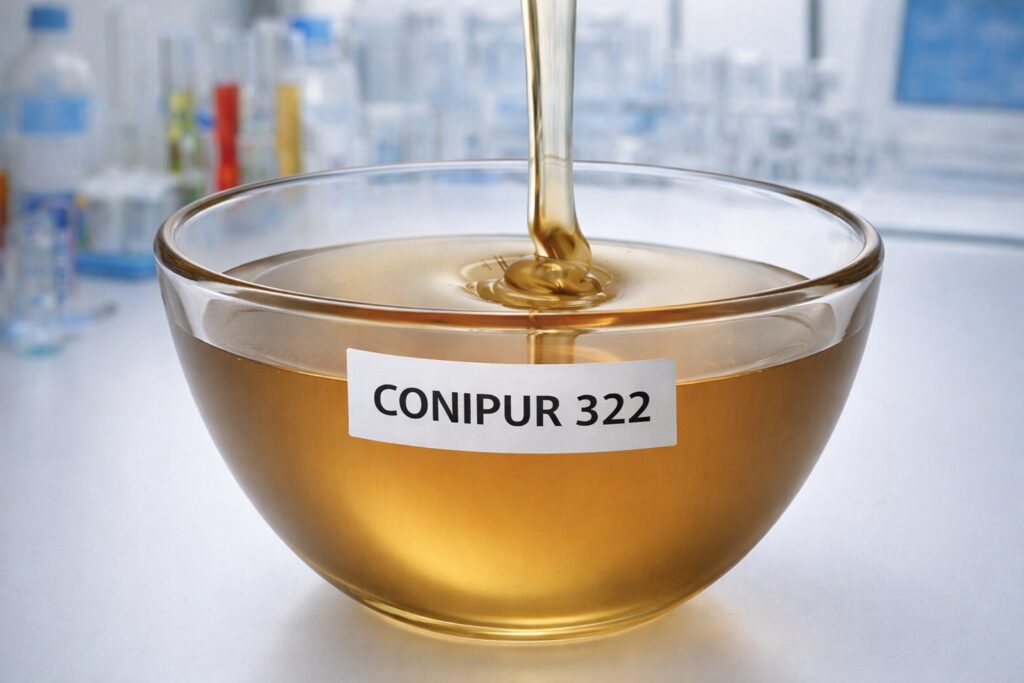
For athletics track applications, binders specifically designed for paving machine installation are typically used, such as CONIPUR 322, which takes into account installation temperature as well as heat transfer from the paving machine plates and curing behavior.
Mixing and Installation: Machinery Matters
The mixing of polyurethane binder with SBR granules must be carried out using specifically designed mixing equipment capable of ensuring homogeneous binder distribution across each particle. Strict adherence to mixing times and cycles is essential. Inadequate mixers or shortened mixing times may result in insufficient binder coating of the granules, weakening cohesion.
The mixture must then be applied using high-quality paving machines that ensure:
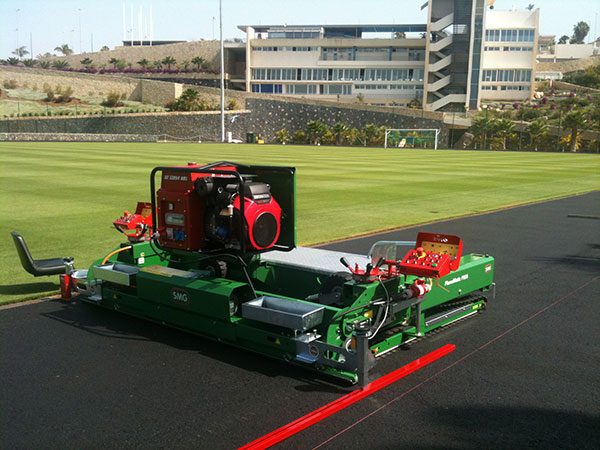
- Uniform thickness
- Proper compaction
- Seamless continuity
- Smooth and stable surface finish
Manual application or the use of inadequate or low-quality equipment introduces variations in thickness and compaction that compromise overall system performance and may even result in visible surface defects. This is also where true installation professionals distinguish themselves. The paving process requires extensive knowledge, experience and a systematic working methodology with clearly defined procedures and rigorous planning.
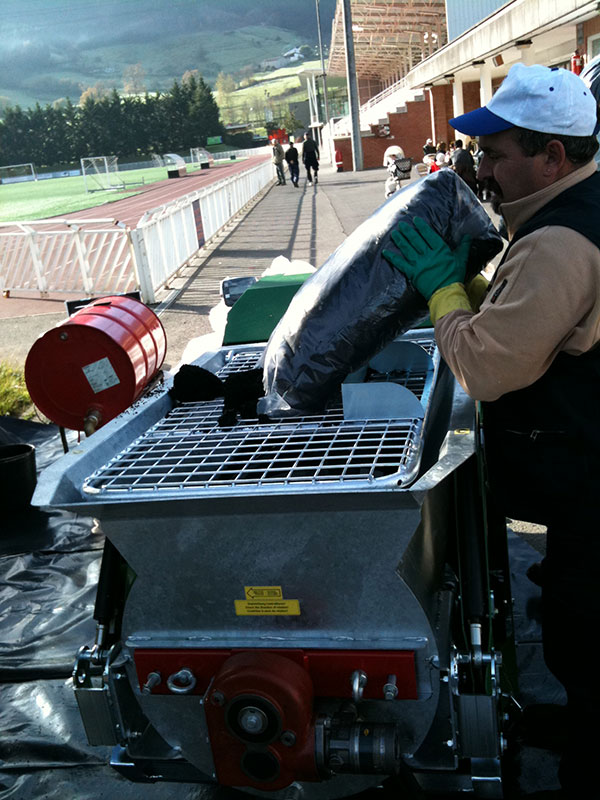
Over more than 25 years of experience in the sector, I have consistently observed that even the highest quality materials cannot guarantee performance without qualified installers and appropriate equipment.
Advantages of In-Situ Systems and Manufacturer Quality Control
This phase highlights one of the major advantages of in-situ installed systems compared to prefabricated solutions: the creation of a continuous elastic layer perfectly adapted to track geometry and free from discontinuities.To achieve this, installers must be properly trained, certified and periodically audited by the manufacturer, ensuring that materials, mixing ratios and installation procedures comply with the tested and certified system.A properly executed elastic base is not visible, but it is felt in every stride, every foot strike, and above all in the ability of the track to remain stable and functional for many years.In the next publication, we will cover Phase 4: Application of the pore sealer, a key layer for system waterproofing and correct adhesion of the wearing surface.
CONICA Commitment
At CONICA, unlike other manufacturers, our commercial team does not simply focus on selling polyurethane by kilograms.
We actively engage with our clients locally in the development and supervision of projects from start to completion, delivering the highest quality sports surfacing systems.
This commitment is why we have been – and continue to be – a benchmark for quality for more than 40 years.
Because in athletics, as in sports surface construction, the details may not be visible… but they are felt in every stride.
Coming Soon
Step-by-Step Construction of an Athletics Track: Phase 4: Application of the pore sealer, a key layer for system waterproofing and correct adhesion of the wearing surface.
By José Antonio Pérez, CONICA Regional Manager Latin America & Caribbean

Weltklasse Zürich Lives Up to Its Name – The Night Records Fell on CONICA’s Piste Magique
ZÜRICH, SWITZERLAND – AUGUST 27: The podium at Diamond League: Weltklasse Zürich on August 27,…
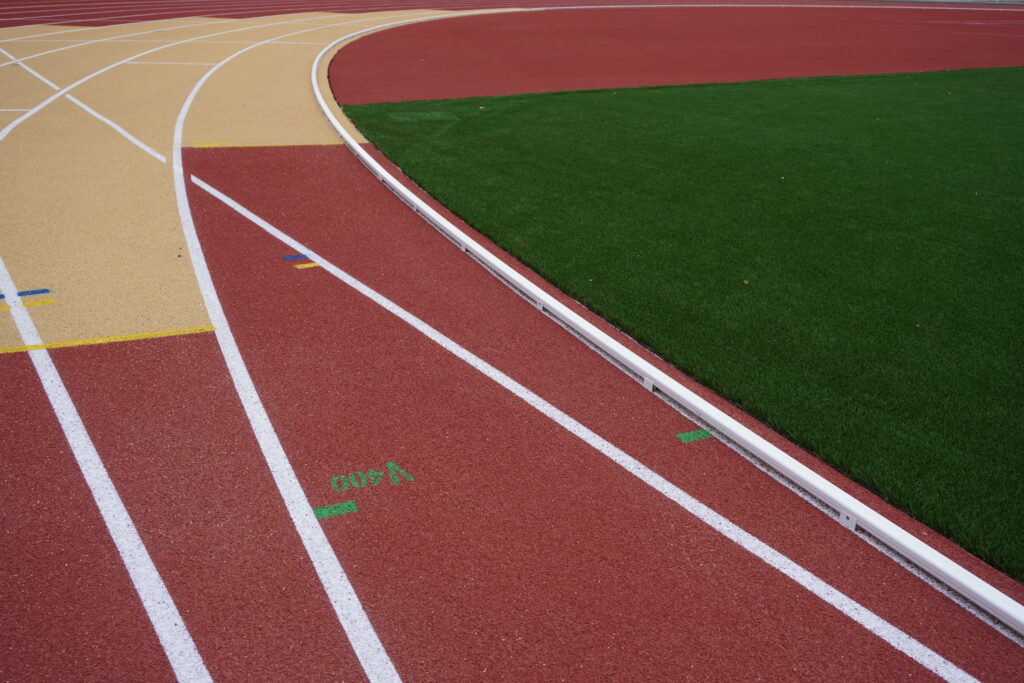
Phase 6: optional UV sealing coat, line marking and the official markings for each event. Where world records are ratified.
Optional UV sealing of the surface Some granule colours are more sensitive to UV radiation…
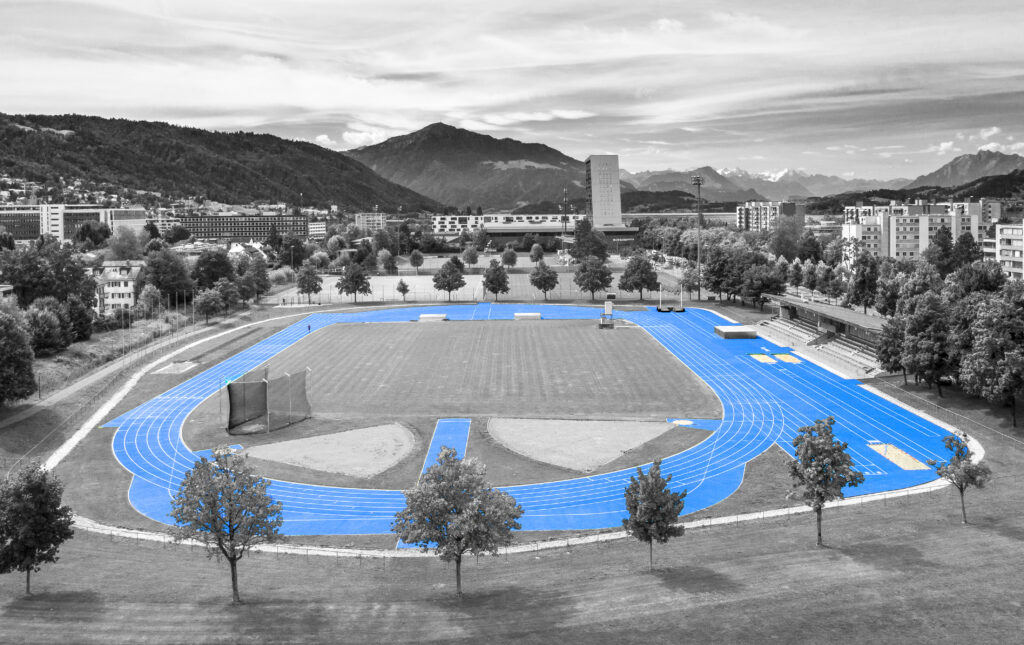
Phase 5: the top self-levelling coating and EPDM. Where the system finally becomes a sports surface
From the perspective of a manufacturer such as CONICA, whose systems are certified by World…
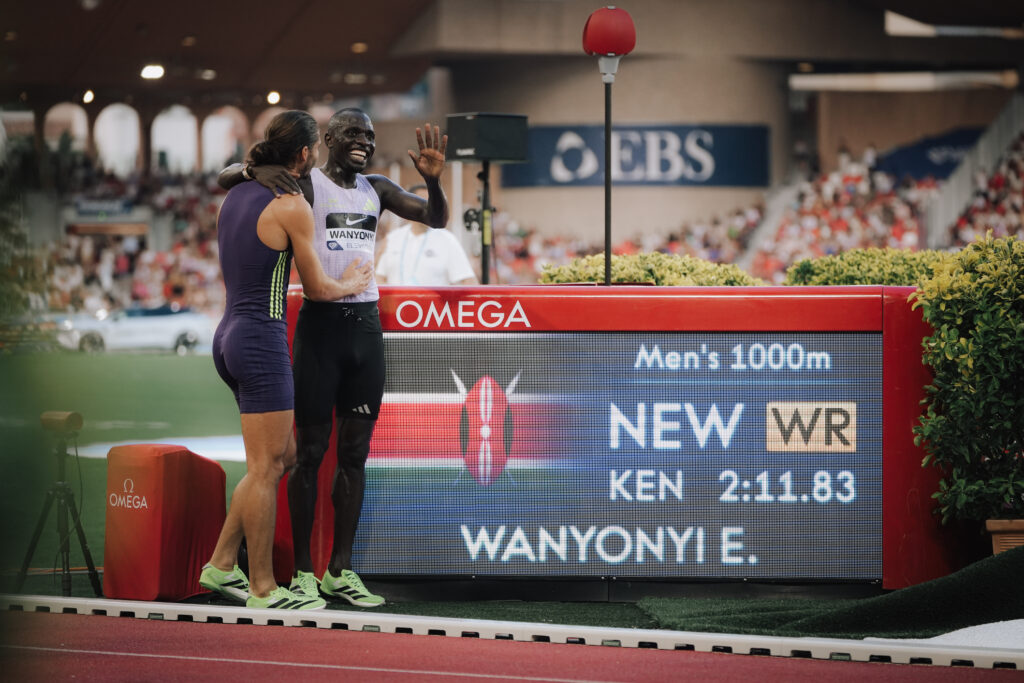
A World Record Night on CONICA’s CONIPUR Vmax Track in Monaco
The Stade Louis II once again provided the setting for an exceptional night of international…
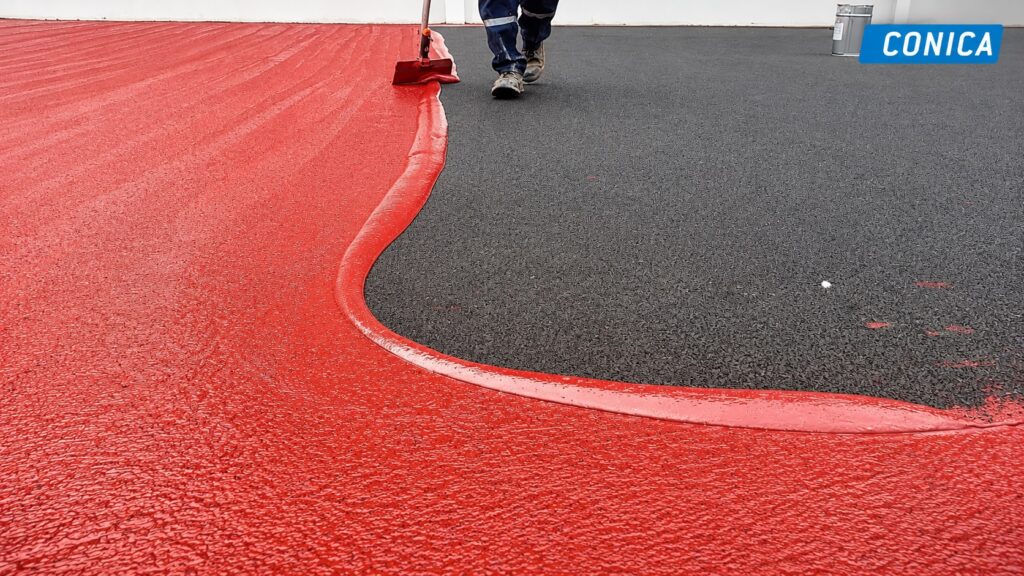
Phase 4: The Pore Sealer
Sealing, impermeability and system continuity Pore sealers are used in all sports surfacing systems with…
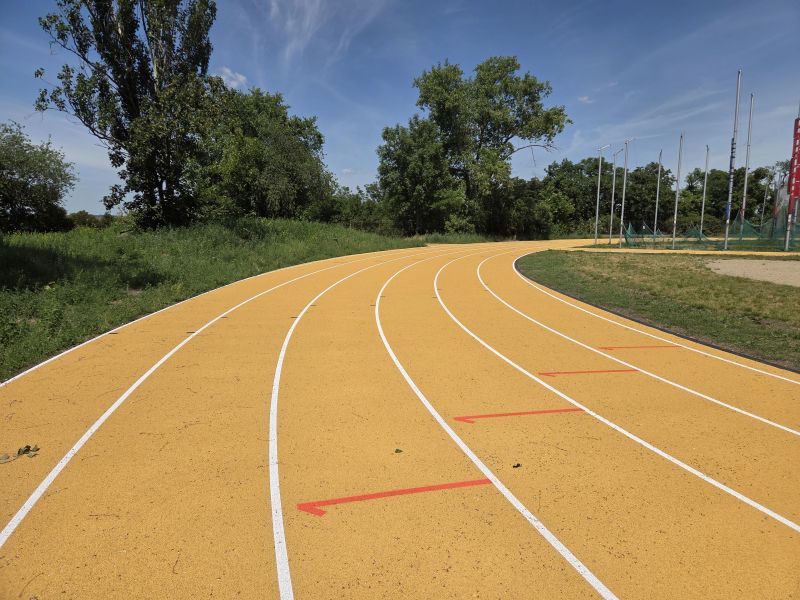
A New CONICA Athletics Track Beneath the Žižkov Television Tower in Prague
The project features the CONIPUR SP sports surface from CONICA, a proven system designed for…
If you are interested in this type of technical content related to sports surfacing, follow us on LinkedIn to stay up to date.
To learn more about certified in-situ systems, retopping solutions and high-performance sports surfaces, follow CONICA or visit our official channels.
Conica has been developing and manufacturing innovative seamless flooring solutions based on polyurethane and epoxy resins for sports, games, leisure as well as other areas for over 40 years. Conica is one of the world’s market leaders and innovation drivers in this field. The user-oriented requirements for technical and sports functional performance as well as usability while guaranteeing health aspects of the material itself and for the user are the focus of product development. Conica is part of the Serafin group of companies based in Munich.