
Phase 2: Priming – The Bonding Layer that Ensures System Integrity
8. April 2026
In the construction of athletics tracks with an elastic base, such as an in-situ installed sandwich system, the priming phase is often perceived as a simple operation. However, from a technical standpoint, it is an absolutely critical layer, as its function is neither aesthetic nor structural, but ensures proper adhesion between the substrate and the elastic layer that will subsequently be applied.
In World Athletics-certified systems, such as those developed by CONICA, the primer is an integral part of the system and must be applied strictly in accordance with the manufacturer’s specifications. Using a primer intended for a different type of substrate, incorrect application, exceeding the specified application window, or applying incorrect consumption rates are among the most frequent causes of premature failure in athletics tracks. If someone claims that a primer is unnecessary and that an elastic base can be installed without it, the best course of action is to avoid any company or individual offering such damaging advice, as serious problems are virtually guaranteed in the short term.
Technical Purpose of Priming
The primer performs three essential functions:
- Creating a bonding bridge between the concrete or asphalt base and polyurethane systems
- Regulating substrate absorption, preventing binder loss when installing the elastic layer
- Homogenizing the surface, preparing a chemically compatible substrate for the system
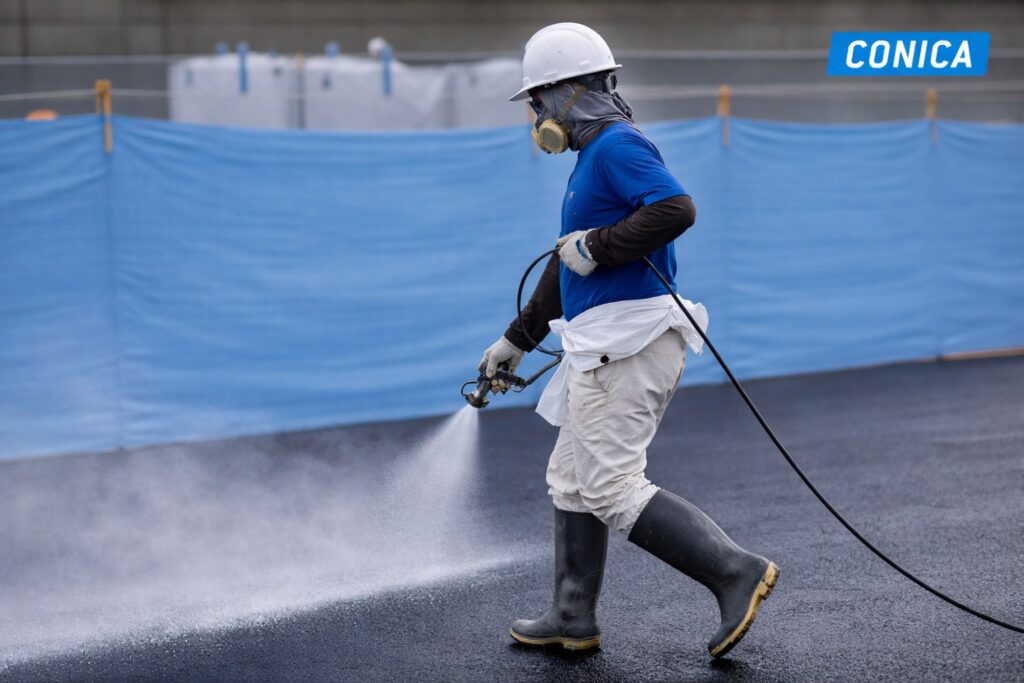
In in-situ systems, the absence of primer will inevitably lead to critical issues, such as the elastic base detaching from asphalt or concrete within a short period of time. Unfortunately, as mentioned earlier, it is not uncommon for unscrupulous installers or manufacturers to omit the primer in order to reduce costs, which subsequently leads to irreversible damage to the sports surface, often visible after only a few months.
The primer provides the essential adhesion between the asphalt substrate and the elastic layer to be installed. Application timing must also be strictly respected, as the primer’s functional properties remain active only for a limited number of hours. If the elastic layer is not installed within the specified time window, or if rain occurs during this period, the primer must be reapplied. The continuity of the entire system depends on this.
Selecting the Correct Primer According to the Substrate
Not all substrates are the same, and therefore not all primers are suitable for every surface. In athletics tracks, we typically encounter:
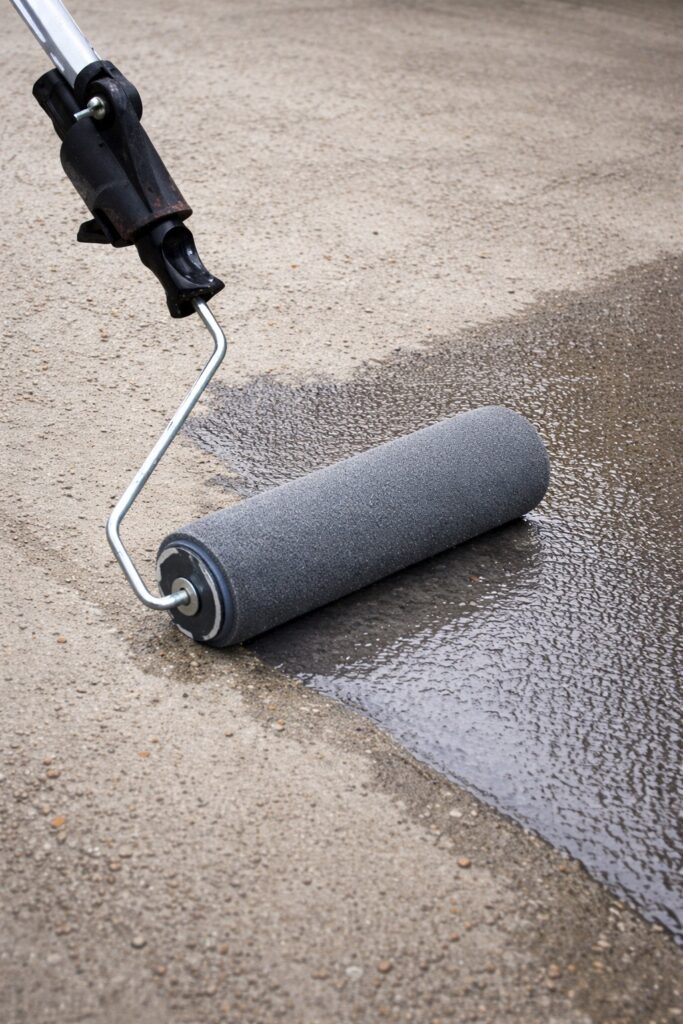
Asphalt bases requiring primers specifically formulated for bituminous substrates
Concrete bases requiring primers designed for mineral surfaces, with strict control of residual moisture content
Using an unsuitable or “universal” product can lead to adhesion problems, blistering, irregular curing, or even delamination in the medium term. This is where the expertise of a reputable manufacturer makes the difference, as each system is tested and certified as a complete system rather than as isolated layers.
Typically, the use of concrete primers on asphalt may lead to undesirable chemical reactions, often resulting in the release of bitumen and other compounds, which in turn degrade the components installed above. Conversely, applying asphalt primers on concrete may result in insufficient bonding performance and may also be negatively affected by the residual moisture content of the concrete.
Even in the case of young or “green” concrete, which often presents relative humidity levels between 4% and 6%, primers designed for fully cured concrete may not provide sufficient performance. In such cases, the use of specialized two-component epoxy primers is recommended. These provide an excellent solution for concrete substrates with moisture levels above 4% but below 6%, where installation of the sports flooring system must begin without waiting for complete curing.
The world of primers is highly specialized and complex. A competent professional will have analyzed all possible variables and substrate conditions prior to commencing installation. In addition to asphalt surfaces, certain areas of a sports facility may include other materials such as metal inspection covers, prefabricated plastic or concrete elements, or plastic coverings. Each of these materials requires a suitable primer. Otherwise, particularly in the case of metallic surfaces, no effective bonding bridge will be formed, leaving the sports system without proper anchorage and potentially even creating slip hazards. Such is the importance of correct priming.
Within CONICA’s range of primers, including both epoxy and polyurethane primers, there are up to 16 different products available depending on substrate type, substrate condition, system configuration, and numerous other factors that must be considered.
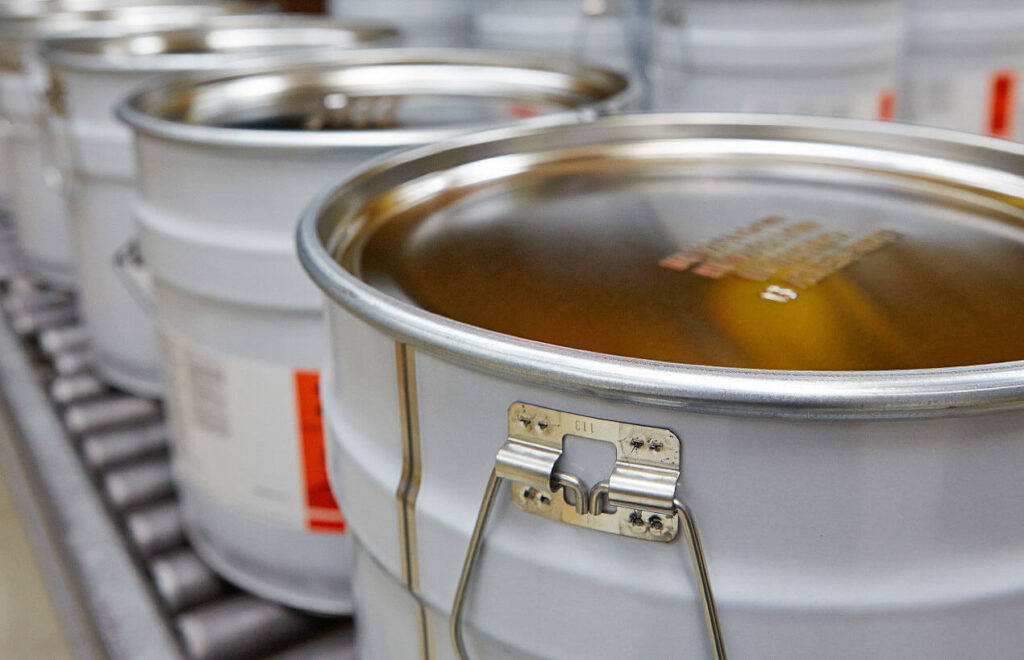
This clearly illustrates the importance attributed to primers and the wide range of performance objectives they are designed to achieve.
Correct Application and Consumption Control
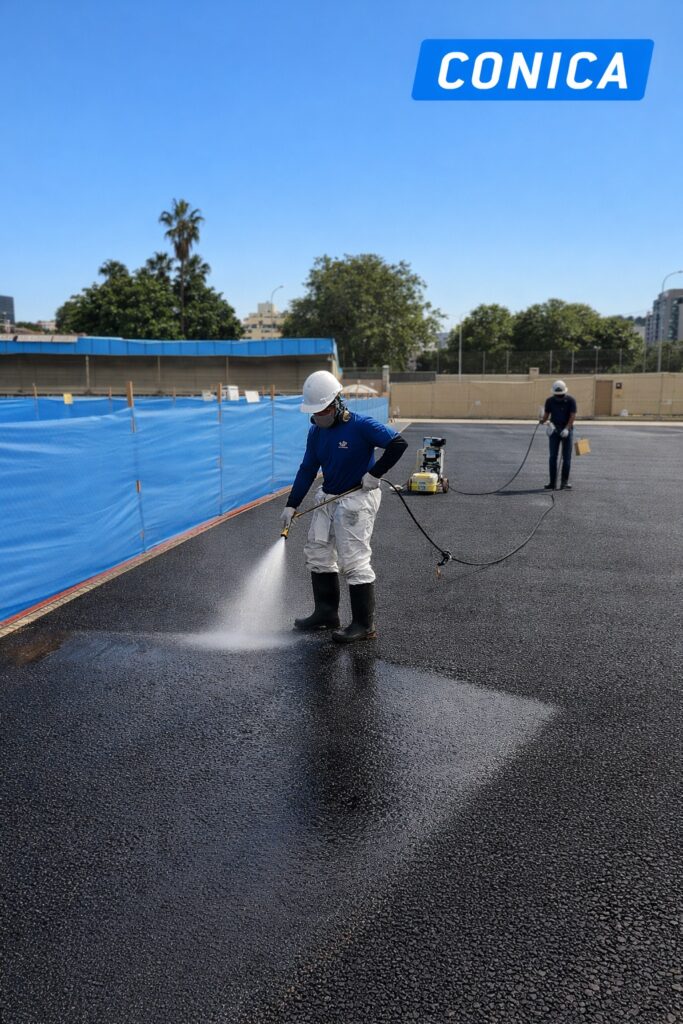
Primers must be applied evenly, continuously, and without ponding, typically by spray application using appropriate equipment.
Respecting recommended consumption rates is essential:
- Insufficient material may lead to inadequate adhesion
- Excess material may result in foaming, slow curing, or closed surfaces that impair bonding with subsequent layers
Additionally, pot life and recoat times must be strictly respected. The elastic layer should only be applied once the primer has reached the correct level of tackiness, within the application window specified by the manufacturer.
Influence of Environmental Conditions
As with all polyurethane systems, substrate temperature, ambient temperature, and relative humidity directly influence primer performance. Professional installation requires:
- Monitoring the dew point
- Avoiding application in conditions of excessive humidity or risk of rain
- Adjusting waiting times according to climatic conditions
These factors are particularly critical in in-situ systems, where the process is continuous and any errors will affect subsequent layers.
Certified Installation and Supervision
Only by working with trained and certified installers can it be ensured that this apparently simple phase truly fulfils its function within a high-performance system.
A correctly applied primer is invisible once the track has been completed, yet it forms the foundation upon which the entire elastic structure relies, directly influencing durability, sports performance, and the future possibility of applying retoppings that extend the service life of the installation.
Speaking of retoppings, a specific primer is also required to ensure proper adhesion of the new wear layer. Primers are therefore extremely important and indispensable in the world of sports flooring systems.
CONICA Commitment
At CONICA, unlike other manufacturers, our commercial team does not simply focus on selling polyurethane by kilograms.
We actively engage with our clients locally in the development and supervision of projects from start to completion, delivering the highest quality sports surfacing systems.
This commitment is why we have been – and continue to be – a benchmark for quality for more than 40 years.
Because in athletics, as in sports surface construction, the details may not be visible… but they are felt in every stride.
Coming Soon
In the next publication, we will address one of the most characteristic stages of sandwich systems:
Step-by-Step Construction of an Athletics Track
Phase 3: The Elastic Base – The Functional Core of an In-Situ Athletics Track
By José Antonio Pérez, CONICA Regional Manager Latin America & Caribbean

Weltklasse Zürich Lives Up to Its Name – The Night Records Fell on CONICA’s Piste Magique
ZÜRICH, SWITZERLAND – AUGUST 27: The podium at Diamond League: Weltklasse Zürich on August 27,…
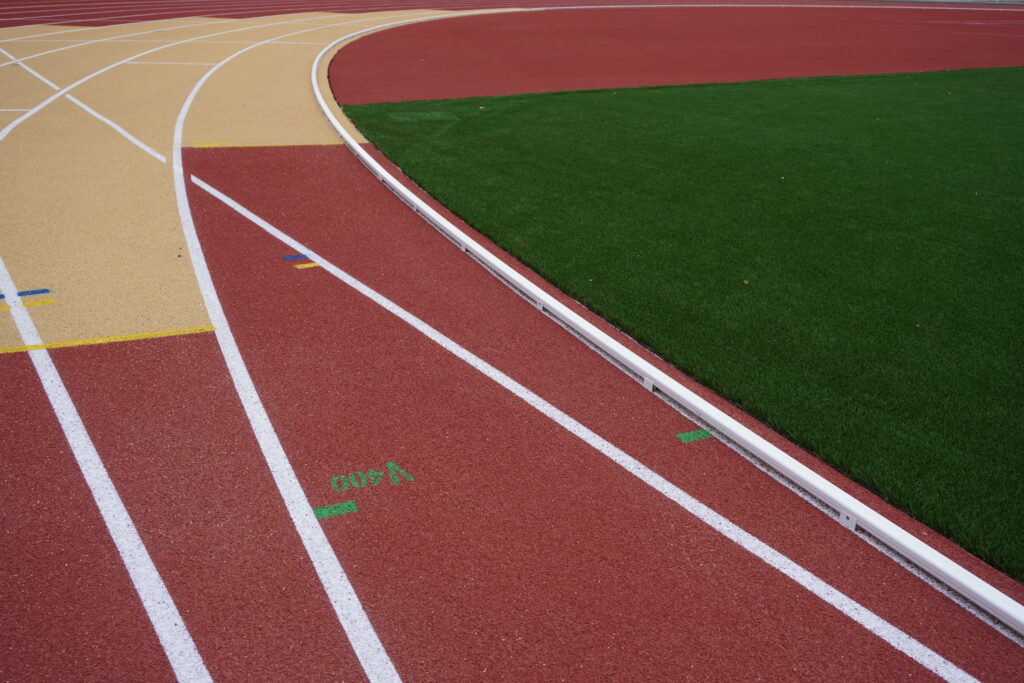
Phase 6: optional UV sealing coat, line marking and the official markings for each event. Where world records are ratified.
Optional UV sealing of the surface Some granule colours are more sensitive to UV radiation…
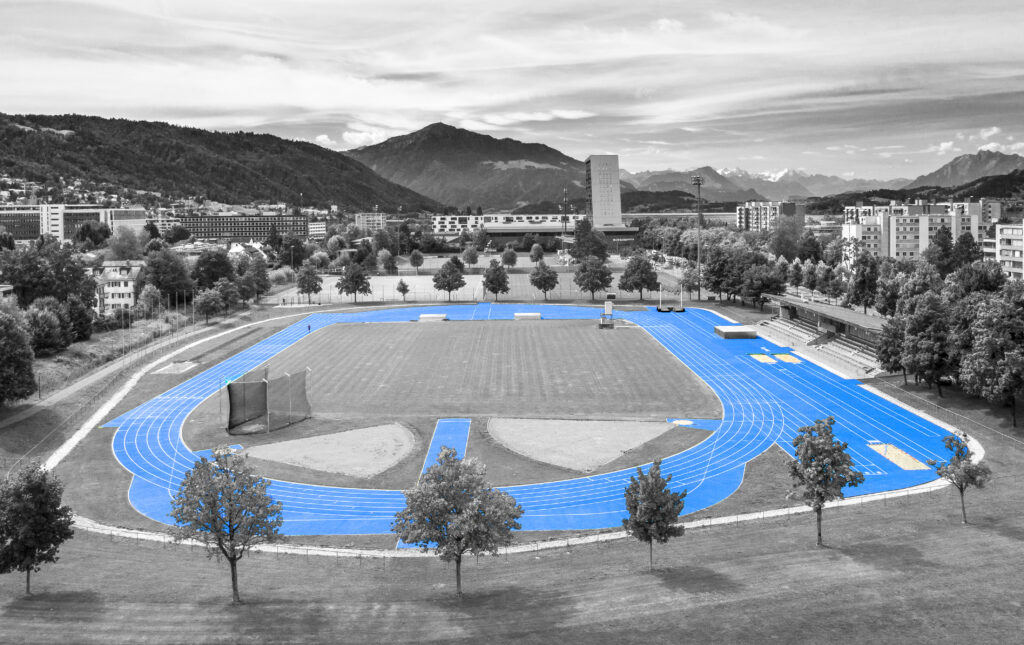
Phase 5: the top self-levelling coating and EPDM. Where the system finally becomes a sports surface
From the perspective of a manufacturer such as CONICA, whose systems are certified by World…
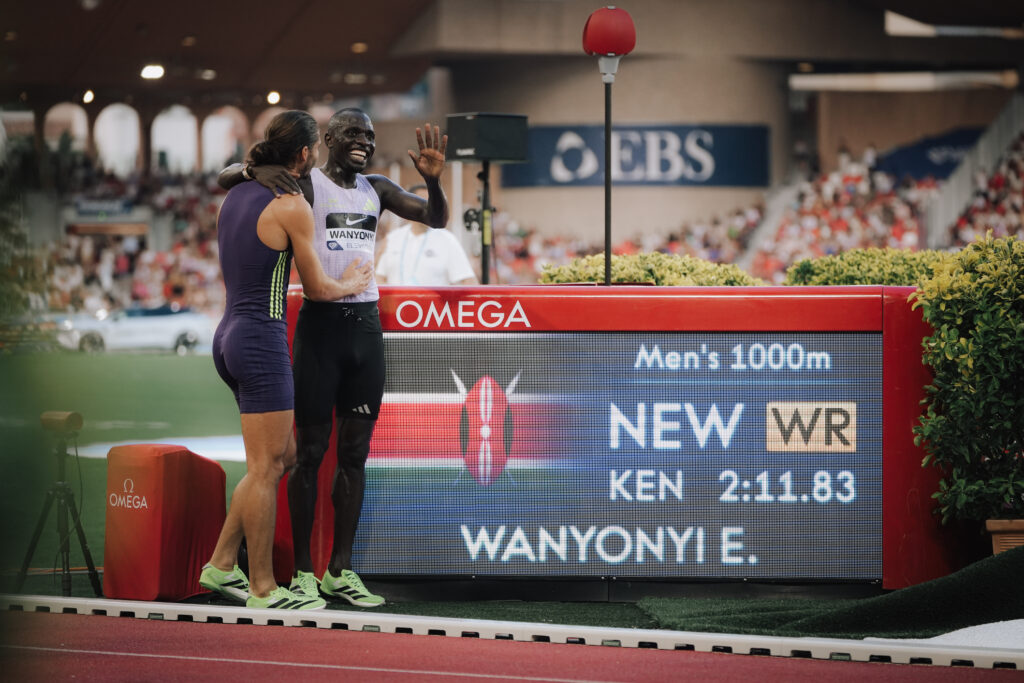
A World Record Night on CONICA’s CONIPUR Vmax Track in Monaco
The Stade Louis II once again provided the setting for an exceptional night of international…
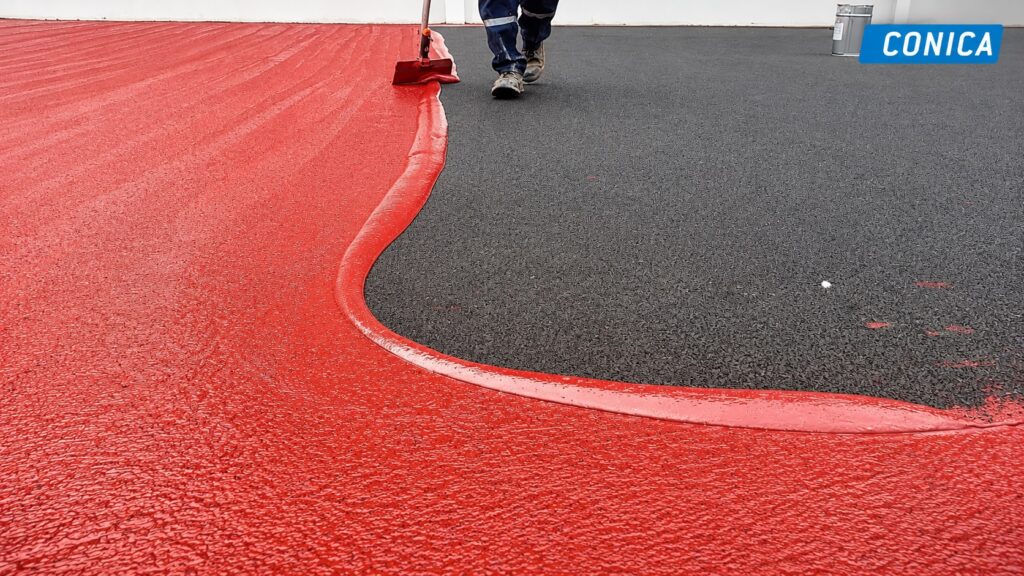
Phase 4: The Pore Sealer
Sealing, impermeability and system continuity Pore sealers are used in all sports surfacing systems with…
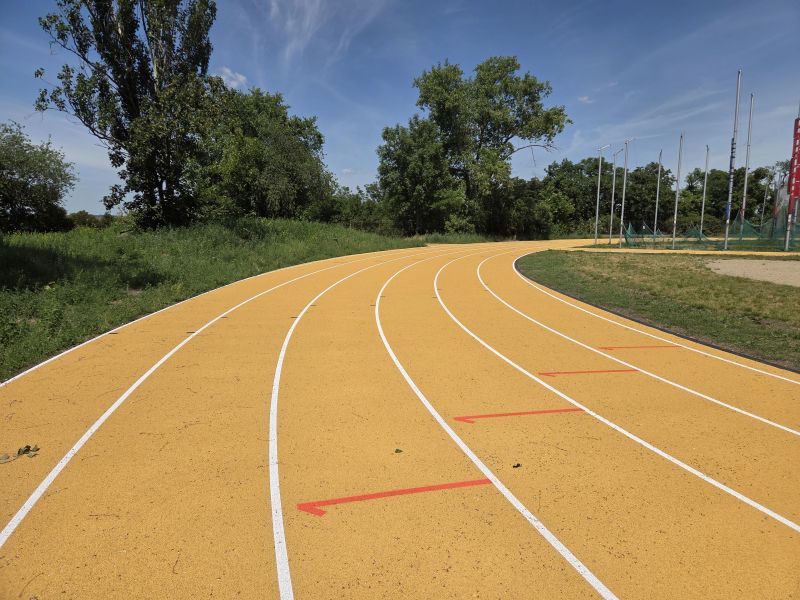
A New CONICA Athletics Track Beneath the Žižkov Television Tower in Prague
The project features the CONIPUR SP sports surface from CONICA, a proven system designed for…
If you are interested in this type of technical content related to sports surfacing, follow us on LinkedIn to stay up to date.
To learn more about certified in-situ systems, retopping solutions and high-performance sports surfaces, follow CONICA or visit our official channels.
Conica has been developing and manufacturing innovative seamless flooring solutions based on polyurethane and epoxy resins for sports, games, leisure as well as other areas for over 40 years. Conica is one of the world’s market leaders and innovation drivers in this field. The user-oriented requirements for technical and sports functional performance as well as usability while guaranteeing health aspects of the material itself and for the user are the focus of product development. Conica is part of the Serafin group of companies based in Munich.